
Your rights under federal law when companies call or text without consent
Have you received robocalls, spam texts, or prerecorded messages from a company you never authorized to contact you?
Almeida Law Group is investigating violations of the Telephone Consumer Protection Act (TCPA) — a federal law that strictly limits how and when companies can contact consumers by phone or text. Our investigation has identified widespread, systematic violations across multiple industries, including mortgage lenders, insurance companies, solar installers, and debt collectors.
If a company contacts you using an autodialer or prerecorded message without your consent, calls your number after you asked them to stop, or sends you unsolicited text messages, you may have a claim under federal law.
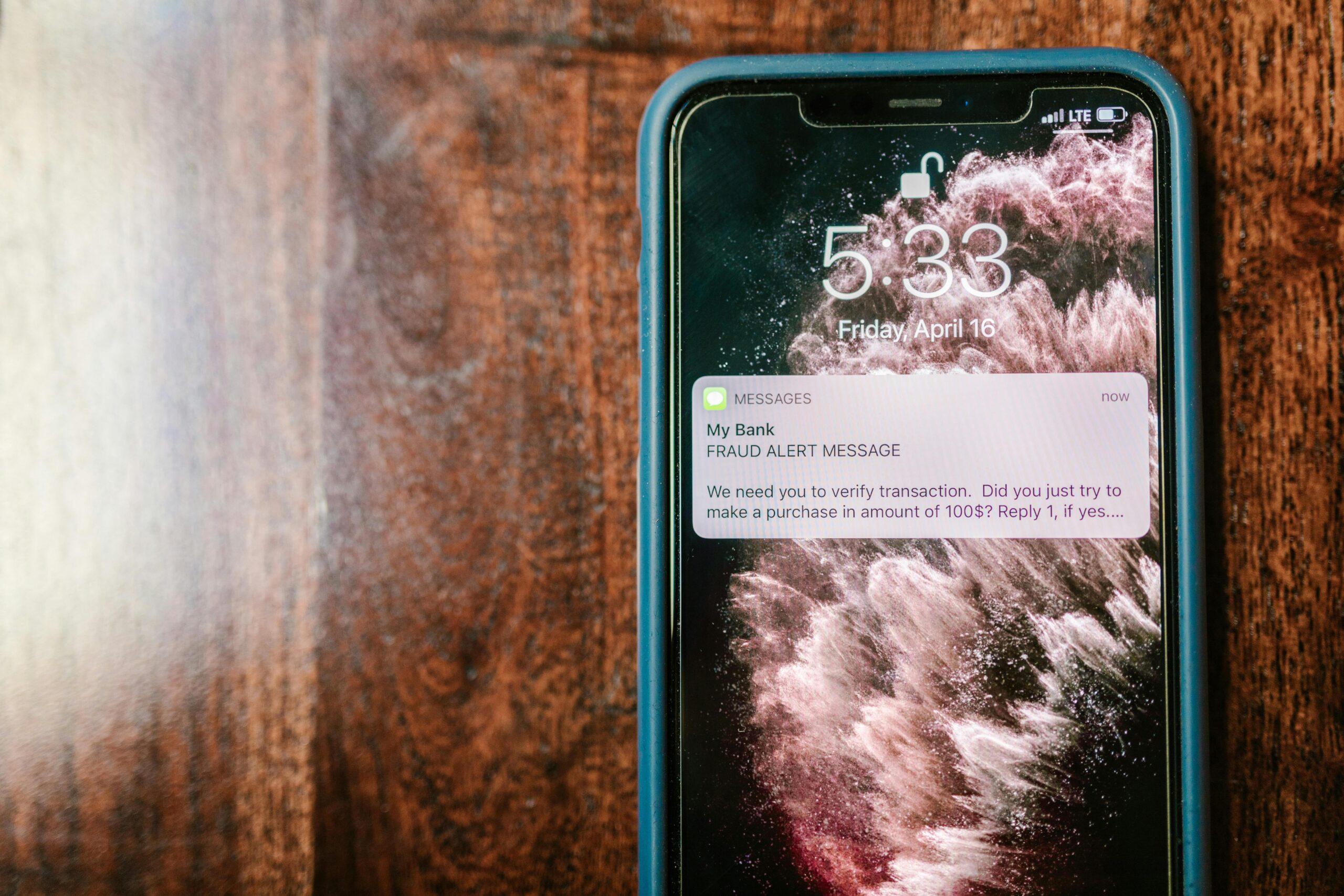
Each unlawful call or text is a separate violation — and you don’t need to prove financial harm to recover.
What is the TCPA?
The Telephone Consumer Protection Act, enacted in 1991, is one of the most powerful consumer protection statutes in federal law. It prohibits the use of automatic telephone dialing systems (autodialers), prerecorded messages, and artificial voice systems without prior express, written consent. It also restricts calls to numbers on the National Do Not Call Registry.
The TCPA imposes strict liability on offenders, and each unlawful call or text constitutes a separate violation.
What violations does our investigation cover?
This investigation focuses on high-volume, automated contact campaigns that generate repeated violations of the TCPA. These practices often rely on flawed or fabricated consent mechanisms.
Potential violations include:
• Autodialed calls to cell phones — calls placed using automatic dialing technology without prior express written consent.
• Prerecorded or artificial voice messages — any call that delivers a recorded message, whether to a cell phone or residential line.
• Unsolicited text messages — mass SMS or MMS campaigns sent via automated platforms without valid consent.
• Do Not Call violations — calls to numbers registered on the National DNC Registry or a company’s own internal do-not-call list.
• Calls after opt-out — continued contact after a consumer has clearly requested that a company stop calling or texting.

“I never gave them permission to contact me — but the calls kept coming.”
Do you have a claim?
You do not need to have answered the calls, suffered financial loss, or kept detailed records to potentially have a claim. The calls or texts themselves are the violation.
You may qualify if any of the following apply:
• You received robocalls or prerecorded messages on your cell phone
• You received spam texts from a business, especially after you opted out
• Your number is on the Do Not Call Registry and calls continued
• A company kept contacting you after you asked them to stop
Companies in industries including mortgage lending, insurance, solar installation, debt collection, student loan servicing, home and auto warranty sales, healthcare, real estate, and retail have been frequent targets of TCPA enforcement actions. Our investigation focuses on companies engaged in high-volume, systematic calling campaigns that affect large numbers of consumers. In appropriate cases, claims may proceed on a class basis.
What to do if you received unwanted calls or texts
If you believe you have been contacted in violation of the TCPA, take these steps to protect your claim.
Frequently asked questions
Contact us for a free case evaluation
When you come to us for help as an individual or small business who has been harmed by
corporate misbehavior—whether it’s data privacy violations, misleading marketing or unfair business practices—we will do everything in our power to help you get the compensation you deserve!
"*" indicates required fields
Your use of this site and the information provided here is not intended to create and does not create an attorney client relationship with the Almeida Law Group and/or attorneys employed by the Firm. No attorney client relationship is intended or created unless and until an engagement agreement is signed by all relevant parties. The contents of this site constitute attorney advertising and not legal advice; therefore you should not act or rely upon any information contained herein, and should always seek the advice of an attorney.